Graven Images; the Visual Arts and Photography
In the digital age, the visual arts, especially photography, represent a vital component of human communication. While it may be clichéd, the age-old saying still stands: ‘A picture is worth a thousand words.’
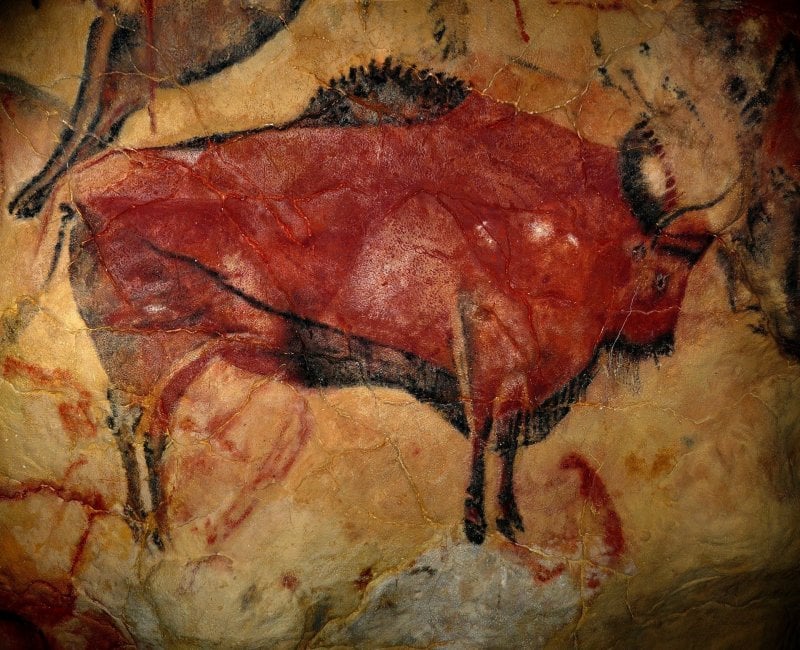
In light of this immutable fact, this website is dedicated to every aspect of the visual arts and modern photography. Here, readers can learn about the evolution of the visual arts, from prehistoric cave paintings to the latest trends in graphic design.
Visual artists of every conceivable genre, be they professionals or amateurs, are sure to find something on this site that will both pique their interest and ignite their creative imagination.
Photography Styles You Should Master
9 Apr 2021
As a photographer, understanding multiple photography styles helps to expand your skill set in this career and improve what you do. Photography styles include portrait photography, architectural photography, editorial photography, photojournalism, and still life photography. Other techniques include sports photography and fashion photography.
The Most Famous Masterpieces in The World
27 Mar 2021
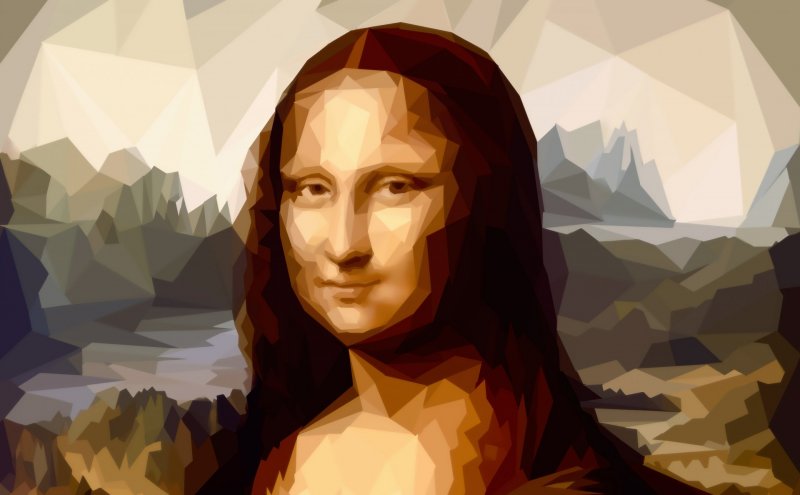
There are countless works of art in this world for centuries, but only a few can be called masterpieces. These are timeless paintings that belong to a different league altogether. Watching art can make you relax from your online trading. Below are some of the most famous masterpieces in the world, that many of us may already be familiar with due to their references in popular culture. Let’s find out what makes these pieces unique and stand out in comparison with the rest.
The Mona Lisa
This piece of art also known as La Gioconda, made by Leonardo Da Vinci in the 16th century, it’s currently in the Louvre Museum in Paris. The painting exudes an aura of intrigue mainly due to the mysterious smile of the female sitter. There’s still a lot of mystery surrounding her identity. The Mona Lisa is a very meticulously made painting that shows the dexterity, attention to details, and endless patience of the painter. It took him several years to finish this masterpiece.
The Starry Night
The oil-on-canvas painting by Vincent Van Gogh depicts a village with a dominant night sky with moon and stars incorporated in swirls. What’s so special about this painting is that the artist created this work while he was staying at the Saint-Paul-de-Mausole asylum in France. The artist had mental health issues as he would occasionally suffer hallucinations and fits. He was provided with a studio where he could continue working on his art. At one point he started to recover but unfortunately, his mental health declined and he plunged into depression. This is likely the reason for the use of dark colors in his last paintings.
The Scream
Created by Edvard Munch in the 19th century, this painting depicts a human figure in a state of extreme anxiety. An expression of utter horror and shock on its face. This work is inspired by a hallucinatory experience the artist had when he heard a “scream throughout nature.”
The Girl with a Pearl Earring
Made by the Dutch artist Johannes Vermeer, this oil painting depicts a young woman wearing an ethnic dress and a white pearl earring. This work is permanently placed at the Mauritshuis museum in Hague. The subject seems to be caught in a brief moment while turning her head over her shoulders when she meets the gaze of her viewer. Her lips are slightly parted as if she is about to speak.
The Last Supper
This is a 15th-century mural painting by Leonardo da Vinci at the Convent of Santa Maria Delle Grazie in Milan, Italy. This work depicts the dramatic scene of the Last Supper of Jesus with his 12 apostles. In the painting, Jesus is at the center of the table and the apostles are to his left and right. The scene is about Jesus announcing the forthcoming betrayal by one of the apostles. This painting, since its creation, has undergone many restorations. Due to various factors including the environmental and intentional damage, a little of the original work currently remains.
Basic Photography Equipment
7 Mar 2021
The first thing you will need as a photographer is a camera. If you're purchasing a digital camera, you will need a memory card, while a film will be necessary if you're going to be using an analog camera. A camera stand and bag are necessities too.
What Makes a Great Photo?
5 Feb 2021
While many things go into making a great photo, there are three essential elements that every great image must have; composition, subject, and light. As a photographer, you must get these basics right if your photos are to stand out from the crowd.